
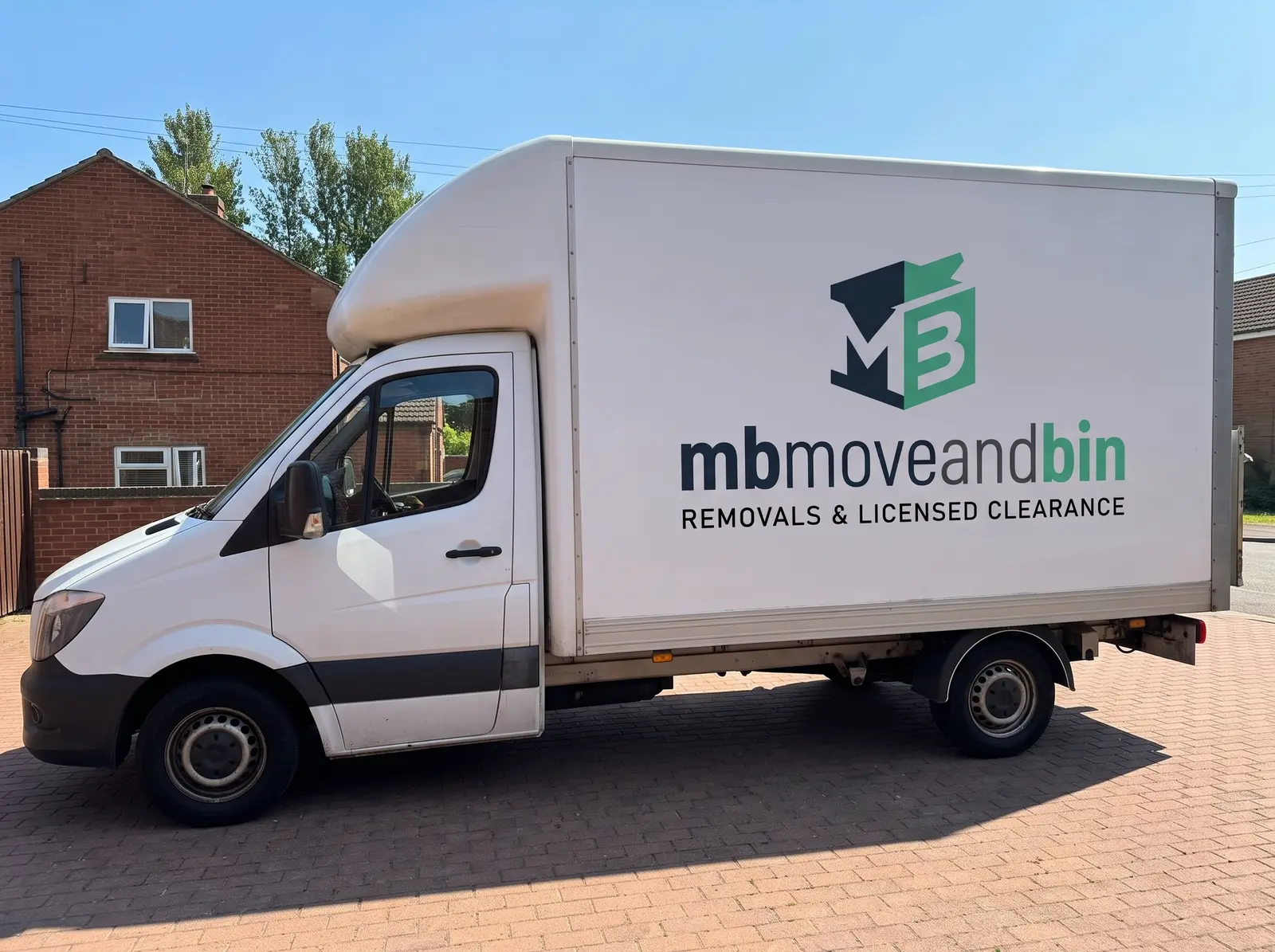
What a clearance actually involves
First we talk. You tell us the size of the property, whether it is furniture, belongings or the full works, and what if anything you want to keep. We visit or take a video walk through, and quote one clear price for the whole job.
We sort as we go, into three streams: keep, donate, dispose. Anything reusable and in decent condition, we offer to take to a charity or reuse centre, and anything broken or unsellable goes for proper disposal.
Everything that leaves the property is weighed and recorded on a waste transfer note, which is your proof that your waste went to a legal destination, not a layby.
At the end, we sweep the property. Every clearance finishes with a clean floor, because walking into an emptied house is the whole point.
The legal side, explained simply
We are a licensed waste carrier with an upper tier licence, which is the legal requirement for anyone carrying waste for money in England. You can check the licence number when we arrive.
Every load gets a waste transfer note, the paperwork that records what was taken and where it went. You get a copy, we keep a copy, and it is your proof of legal disposal.
Anything hazardous, from paint tins to old fridges, is handled separately and disposed of at the right facility. It is more paperwork and we do it anyway, because the alternative is someone's problem later.
What we take and what we cannot
We take furniture, white goods, mattresses, carpets, garden waste, general rubbish and the contents of attics, garages and sheds. If it fits in a van and can legally be carried, we carry it.
We cannot take asbestos, and we do not touch gas cylinders or anything else that needs specialist removal. We will tell you straight away rather than discover it on the day.
Batteries, paint and chemicals have their own rules. We collect them separately and dispose of them at the correct facility, it is part of the job, not an extra.
Who uses us, and when
Probate clearances are the most common: a family home needs emptying after a loss, and the emotional weight is heavier than the furniture. We move gently, we keep anything you want, and we handle the rest with dignity.
Rental clearances happen when a tenancy ends and the landlord needs the property back empty. Speed and a swept floor matter here, and both are what we do.
Moving clearances are the practical one: you are moving somewhere smaller and the old sofa is not coming with you. We collect it the same day as the move if you like, one team, two jobs.
The day itself
We arrive with the van, the barrow and the muscle, and work from the top of the property down. You stay in charge of what goes and what stays, we do the lifting and the decisions happen out loud.
The quote does not change on the day unless the property is genuinely different from what you described. If it is, we stop, agree the difference, and only then continue.
You get the waste transfer notes, the property gets swept, and you get one less thing to carry. That is the whole deal.